Interactive UI · 3D Experience Design · Creative Technology
Virtual service
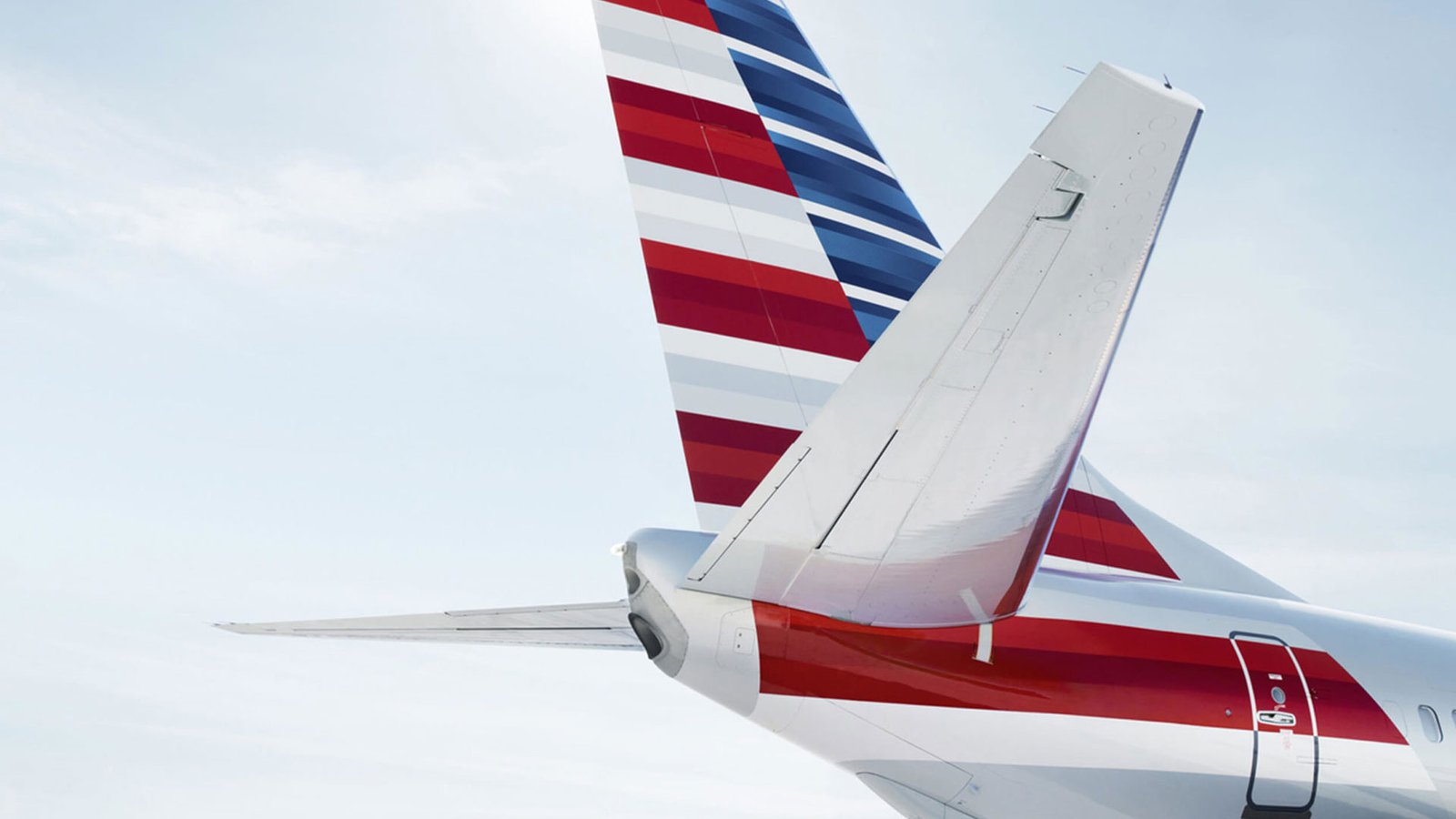
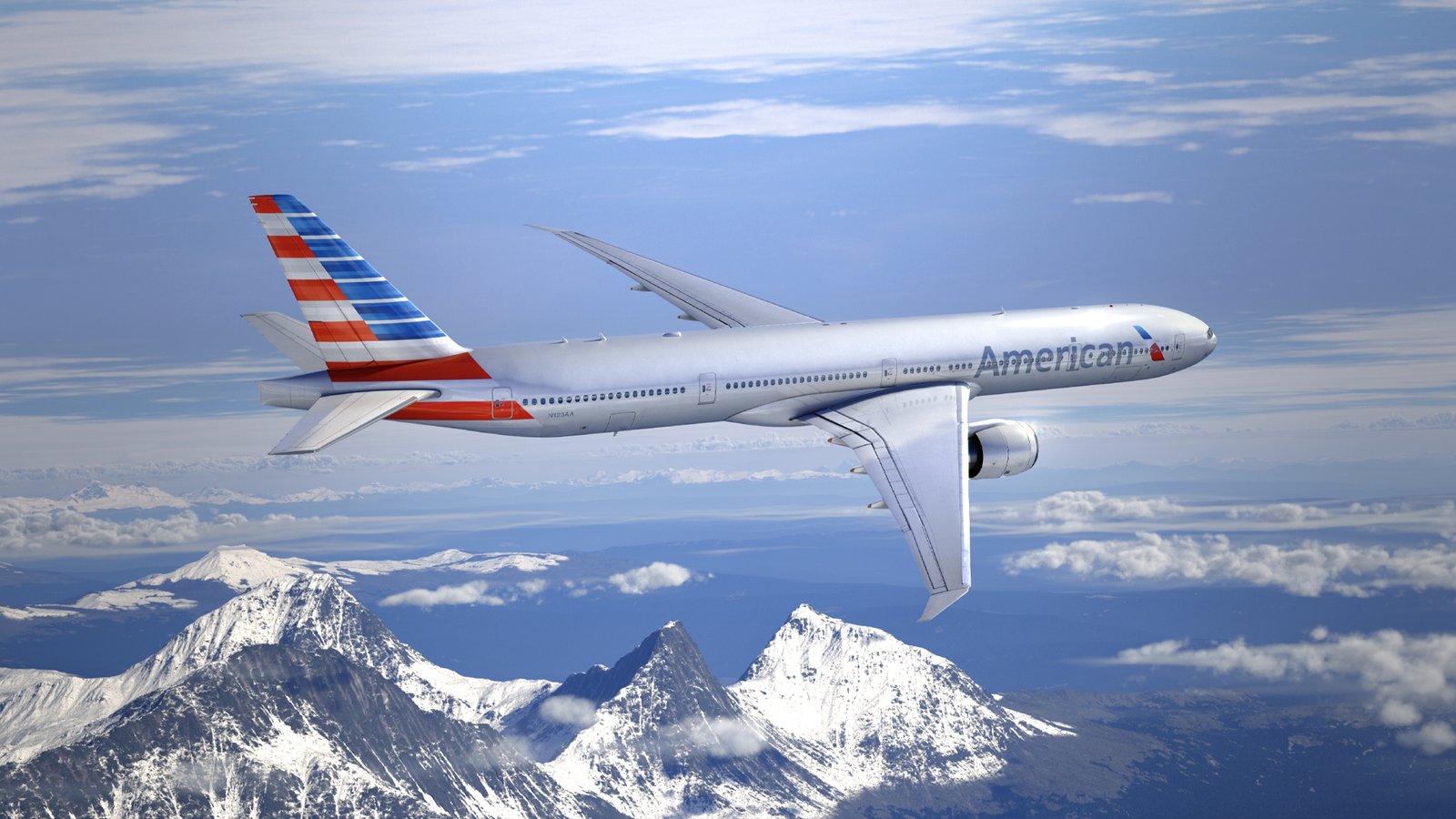
In 2013, American Airlines completed a major rebrand — new livery, new identity, new in-flight product — with one significant problem: the new design existed almost entirely on paper. Repainting and refitting an entire fleet of aircraft takes years. The press reveal, however, could not wait.
They needed to put the fleet before the public, realistically and compellingly, before a single real aircraft had been touched. That problem landed on my desk.
I was Creative Director at Smart Cookie, a small digital studio in Surrey that had been building a reputation for photorealistic, interactive 3D experiential work. Our proposal: put the entire fleet in service, virtually, in record time.
What followed was one of the most technically complex projects I've worked on — and one of the most instructive.
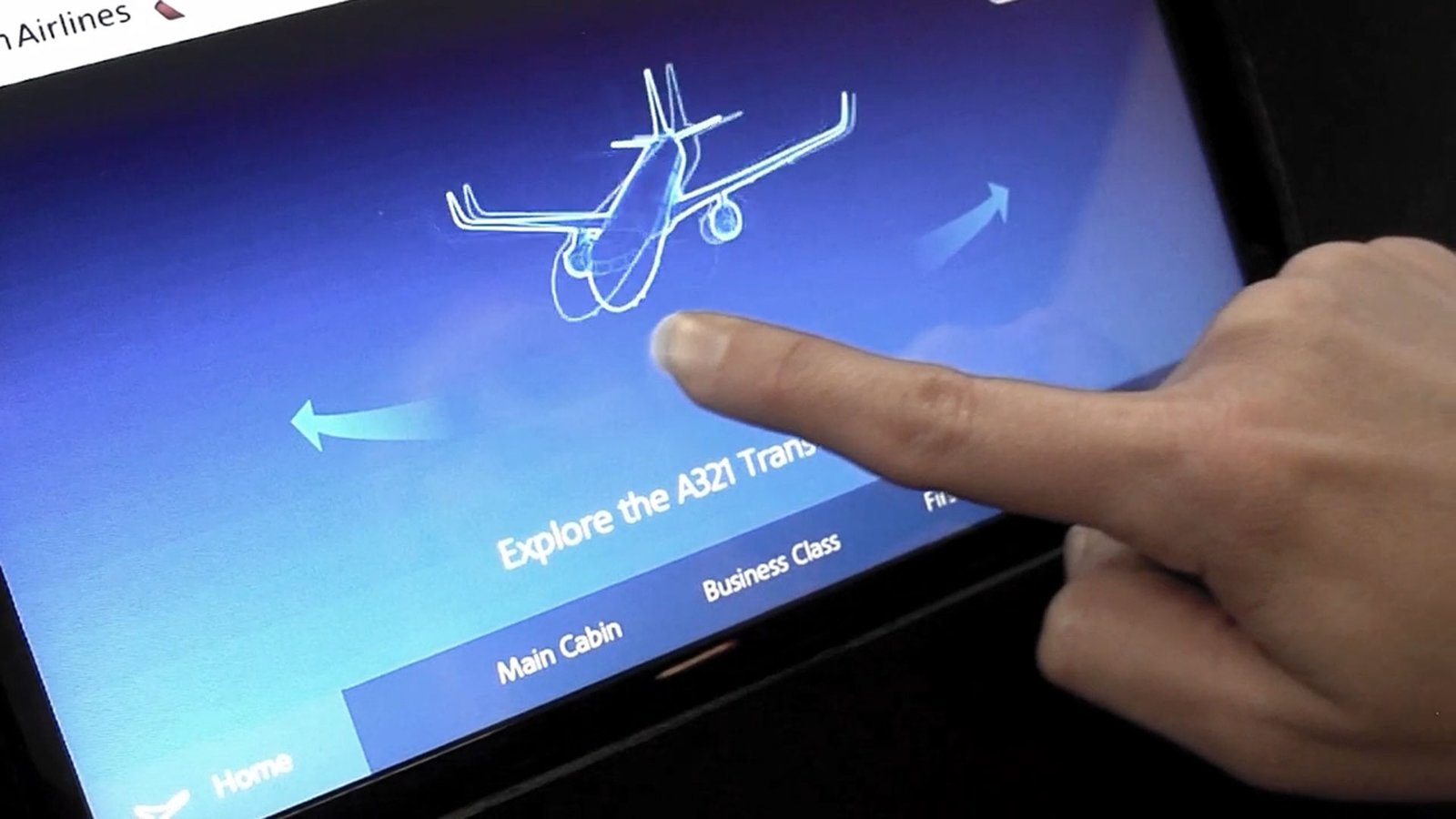
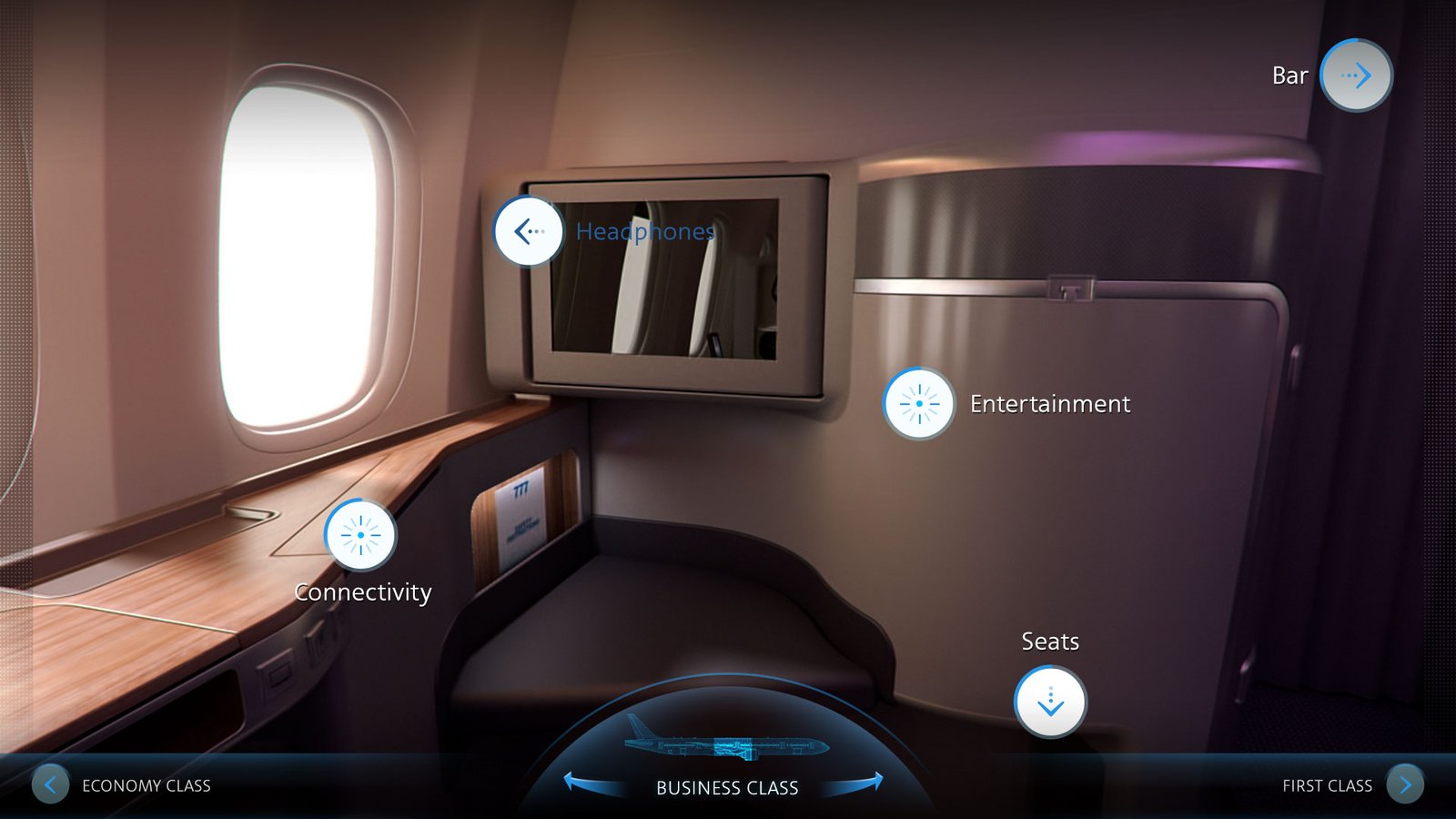
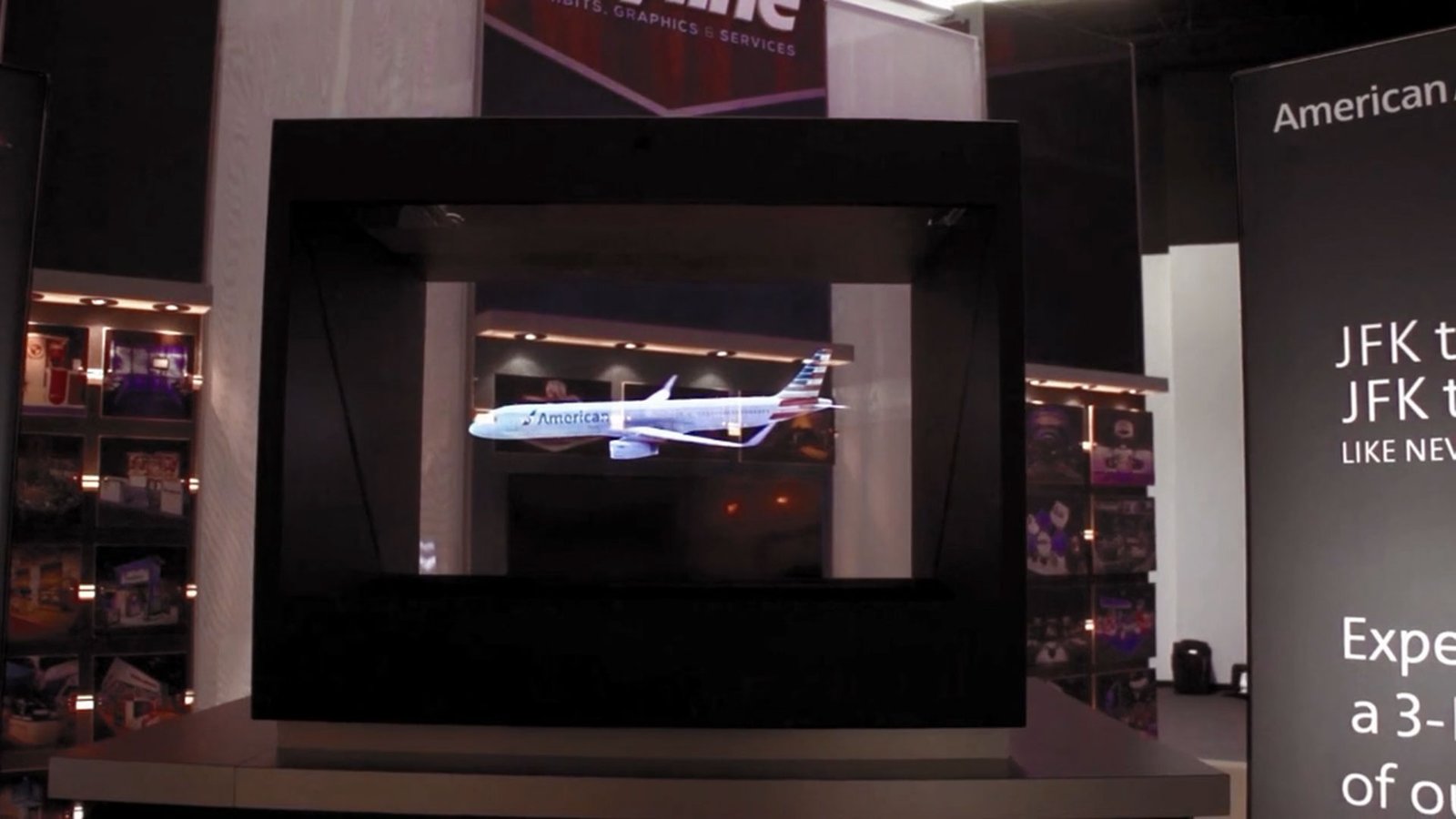
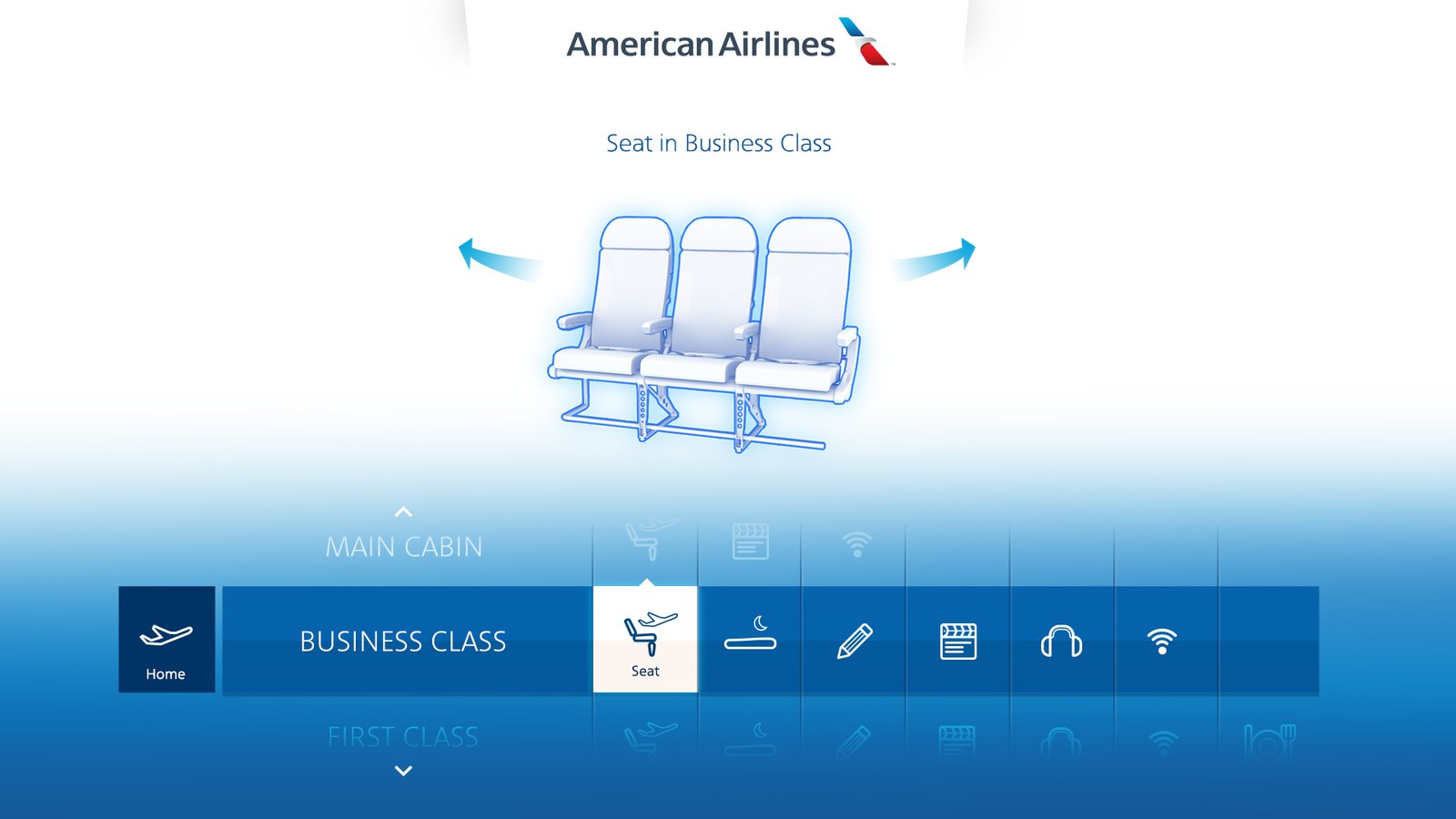
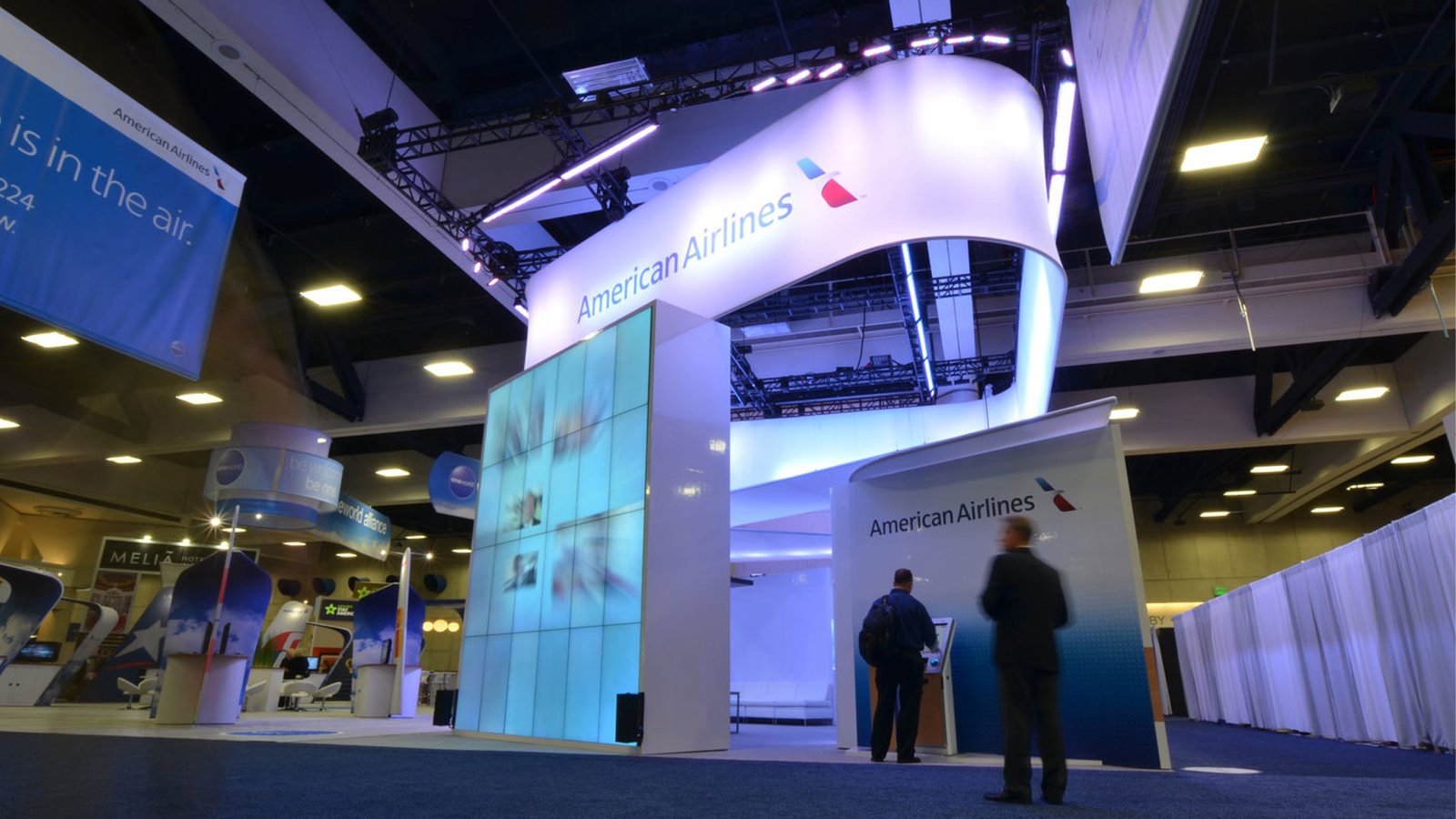
To make it work, I had to rethink the studio's entire creative pipeline, bring together 3D modelling, real-time rendering, fluid simulation, interactive UI, and gesture-controlled installation design under one coherent system. The interactive UI elements we developed were built on a universal grid designed from the outset to work across every application — cabin tours, gesture games, holographic installations, trade show exhibits — so assets could be adapted rather than rebuilt each time.
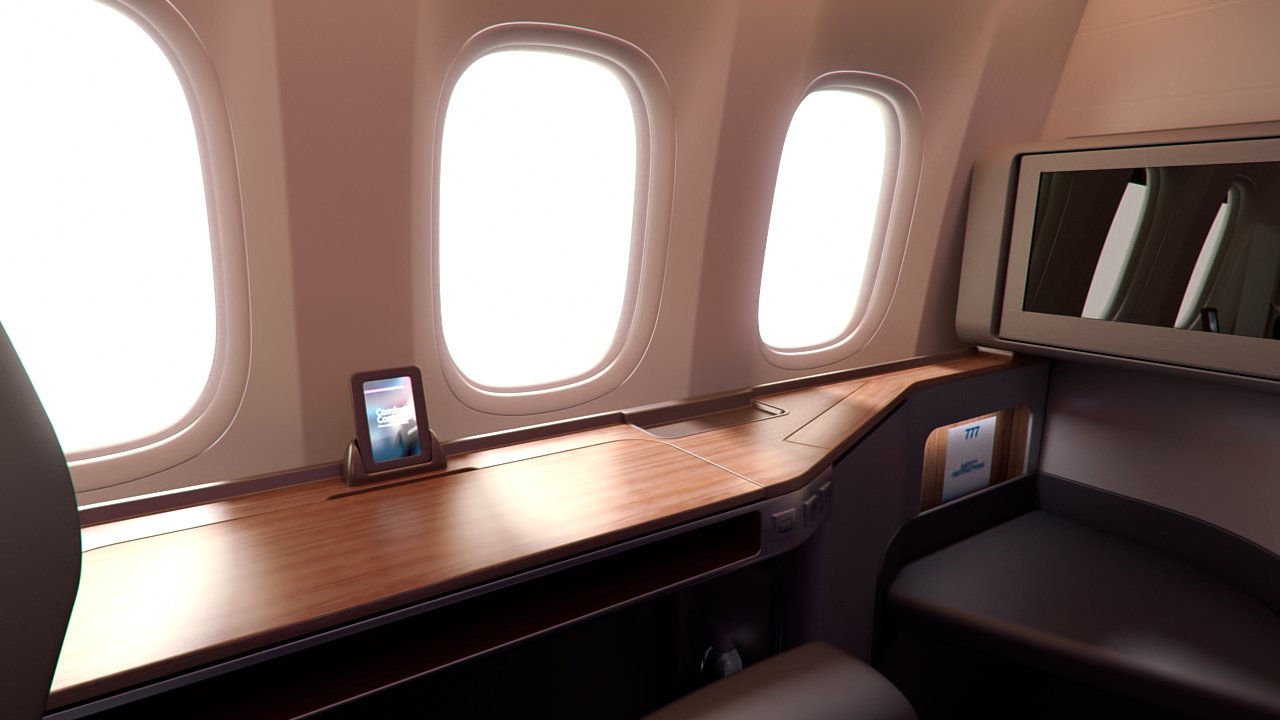
The work earned more than five awards and set a new benchmark for what reusable digital assets could achieve in branded content. Over 60 million passengers a year now experience it in American's boarding film and the Business Class cabin.